

Fleet Washing Services: 10 Benefits Every Business Should Know Before Choosing a Professional Cleaner
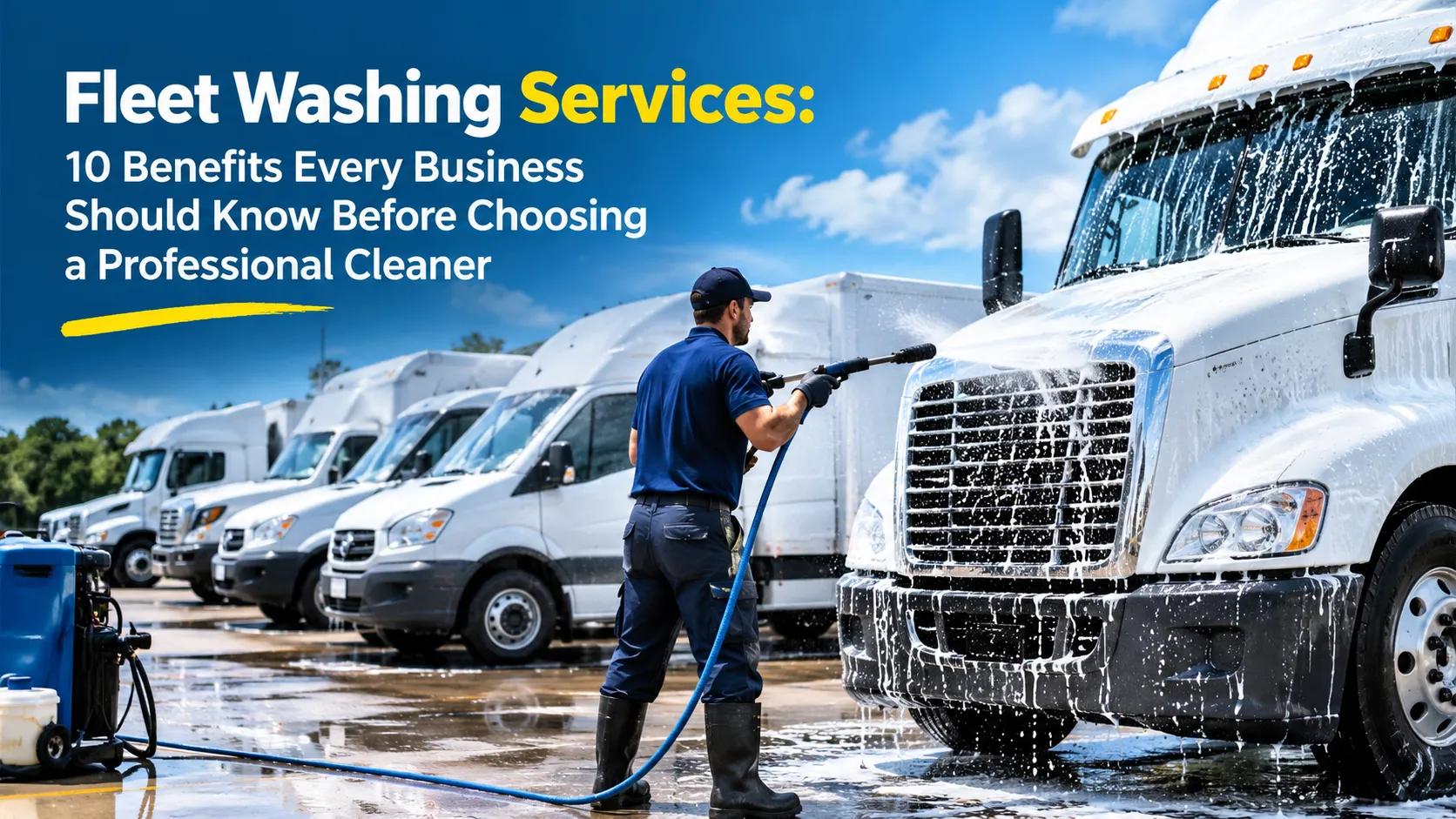
Fleet Washing Services
Your business vehicles do more than transport goods, equipment, or employees. They represent your company on every road, at every customer location, and at every delivery point. When trucks, vans, trailers, and service vehicles are covered in road grime, mud, grease, and dust, they can create a poor first impression.
That is why fleet washing services are an important part of maintaining a professional business image and keeping commercial vehicles in good condition. Whether you operate a small group of service vans or manage a large fleet of delivery trucks, a consistent cleaning routine can help you maintain your vehicles while supporting day-to-day operations.
But what makes professional fleet washing worthwhile, how often should you schedule it, and how do you choose the right cleaning approach? Let's explore the answers.
What Are Fleet Washing Services?
Fleet washing services involve the professional cleaning of multiple business vehicles, including commercial trucks, delivery vans, trailers, buses, construction vehicles, and service vehicles.
Unlike occasional personal vehicle washing, fleet cleaning is designed around business requirements. A professional provider can develop a cleaning schedule based on vehicle usage, fleet size, operating conditions, and the types of dirt or residue that accumulate.
Depending on the vehicle and service requirements, cleaning may include exterior washing, wheel and tire cleaning, removal of road film, and attention to areas where mud, grease, and other contaminants collect.
Businesses may choose scheduled on-site cleaning, mobile fleet washing, or cleaning at a designated facility. The right option depends on vehicle availability, access to washing facilities, operational needs, and the provider's capabilities.
Why Are Fleet Washing Services Important for Businesses?
A dirty fleet can affect more than appearances. Accumulated grime may conceal vehicle markings, make inspections more difficult, and contribute to the deterioration of certain surfaces if contaminants remain for extended periods.
Professional cleaning helps businesses establish a repeatable maintenance routine instead of waiting until vehicles look excessively dirty.
Here are ten practical benefits to consider.
1. Create a Professional Brand Image
Your vehicles are often among the most visible representations of your business. Customers see them traveling through neighborhoods, parked outside commercial properties, and arriving at delivery locations.
Clean vehicles with visible company branding can communicate organization, attention to detail, and professionalism. This is particularly important for contractors, delivery companies, transportation providers, and businesses that send employees directly to customers' homes or workplaces.
A consistent fleet washing schedule helps keep your vehicles presentable and reinforces the image you want customers to associate with your company.
2. Help Protect Vehicle Exteriors
Commercial vehicles regularly encounter road salt, mud, dust, grease, bird droppings, and other contaminants. Depending on the material and exposure, some deposits can damage finishes or contribute to corrosion if they remain on surfaces for too long.
Routine washing removes many of these contaminants before they become more difficult to clean. In regions with harsh winters, removing accumulated road salt is particularly important because salt can accelerate corrosion on susceptible metal components.
Washing alone cannot prevent every form of wear or rust, but it is a useful part of a broader vehicle maintenance program.
3. Support Long-Term Fleet Maintenance
Replacing commercial vehicles can be a substantial expense. Keeping them clean allows maintenance teams to examine exterior surfaces more easily and identify issues such as damaged paint, loose decals, or visible corrosion.
For example, a clean truck may make it easier to notice a new scrape before it develops into a larger cosmetic concern. Cleaning can also help reveal problems that dirt previously concealed.
Fleet washing should complement regular mechanical inspections, servicing, and repairs rather than replace them. Together, these practices help businesses manage their vehicles more systematically.
4. Improve Cleaning Consistency Across the Fleet
When drivers are responsible for cleaning their own vehicles, results can vary considerably. One truck might be washed weekly, while another remains dirty for several months.
Professional fleet washing services create a more consistent standard across vehicles. Businesses can establish cleaning intervals, identify priority vehicles, and maintain a predictable appearance across their fleet.
This is especially useful for companies operating multiple locations or managing vehicles assigned to different teams. A defined cleaning process makes expectations clearer and helps managers maintain better oversight.
5. Save Employees Time
Cleaning commercial vehicles takes time that drivers and maintenance staff could otherwise spend on operational responsibilities.
Depending on fleet size and vehicle condition, washing vehicles individually can involve travel, waiting, equipment setup, and cleanup. Professional services can streamline the process by coordinating multiple vehicles during one scheduled visit or service period.
For businesses that use mobile fleet washing, cleaning may be arranged at an approved location while vehicles are parked. However, the schedule must be coordinated carefully to avoid interrupting deliveries, dispatches, or other essential activities.
The objective is simple: maintain clean vehicles without creating unnecessary operational delays.
6. Make On-Site Cleaning More Convenient
Taking a fleet to an off-site wash facility may be inconvenient when vehicles follow demanding routes or operate across several locations.
Mobile fleet washing services can bring cleaning equipment and trained personnel to an appropriate business location. This can be particularly helpful for delivery fleets, contractors, commercial property operators, and businesses with limited time between shifts.
Before arranging on-site washing, confirm that the provider can accommodate your vehicle sizes, parking arrangements, water requirements, and site conditions. Local wastewater and stormwater rules should also be considered.
A suitable mobile service can make routine cleaning easier to coordinate with your existing operations.
7. Help Maintain Vehicle Safety and Visibility
Dirt, mud, and road residue can accumulate around lights, mirrors, windows, cameras, reflective markings, and license plates. Excessive buildup in these areas can interfere with visibility or make important vehicle features harder to see.
Routine cleaning helps remove these deposits and supports clearer visibility of exterior safety features. Drivers should still perform their required pre-trip checks and clean critical areas whenever necessary.
Fleet washing is not a substitute for safety inspections, but it can support a more thorough approach to vehicle care.
8. Address Different Cleaning Needs Across Vehicle Types
Not every commercial vehicle requires the same washing method. A delivery van, a heavy-duty truck, and a construction vehicle may collect different contaminants and have different exterior materials.
For example, a construction fleet may require extra attention to mud and heavy deposits, while delivery vehicles may need frequent removal of road film and dust. Vehicles with sensitive decals, specialized coatings, or electronic equipment may require more careful cleaning techniques.
A professional provider should assess the vehicle type, surface condition, and contamination before selecting cleaning products, pressure levels, and washing methods. This helps reduce the risk of unnecessary surface damage.
9. Establish More Predictable Cleaning Costs
Unplanned cleaning can make fleet maintenance harder to budget. If vehicles are washed only when they become noticeably dirty, some may require more intensive cleaning than a regular maintenance schedule would require.
A recurring fleet washing plan can help businesses estimate costs and allocate maintenance budgets more consistently. Actual pricing typically depends on the number and size of vehicles, their condition, cleaning frequency, service location, and the level of cleaning required.
Request a clear quote that explains the included services, additional charges, and scheduling terms. Comparing the total service scope is more useful than choosing a provider based on price alone.
10. Support Customer Confidence
Customers may not know how well a company maintains its vehicles mechanically, but they can see whether those vehicles appear clean and cared for.
For businesses that visit customer properties, transport products, or provide recurring commercial services, vehicle presentation can influence how customers perceive the company.
A clean fleet does not guarantee customer satisfaction, but it contributes to a professional experience. Combined with reliable service, courteous employees, and timely arrivals, consistent vehicle care can help strengthen the overall impression your business makes.
How Often Should You Schedule Fleet Washing Services?
There is no single schedule that works for every fleet. The ideal frequency depends on how far vehicles travel, the roads they use, weather conditions, and the type of work they perform.
Consider these general starting points:
High-use delivery vehicles: Consider weekly washing or more frequent cleaning when dirt builds up quickly.
Construction and heavy-duty vehicles: Schedule cleaning according to mud, dust, site conditions, and operational requirements.
Customer-facing service vans: Use a regular schedule that keeps vehicles presentable between customer visits.
Seasonal or lightly used vehicles: Adjust the frequency according to storage conditions and actual use.
These are starting points, not fixed rules. Inspect your fleet regularly and adjust the schedule when conditions change. During winter, for example, more frequent washing may be appropriate when road salt accumulates.
Is Professional Fleet Washing Worth the Investment?
For many businesses, professional fleet washing is a practical way to manage vehicle appearance, remove accumulated contaminants, support inspections, and reduce the time employees spend handling cleaning tasks.
The value depends on your fleet size, operating conditions, service costs, and how effectively the washing schedule fits your business. Compare the cost of professional power washing cleaning with the time, equipment, labor, and coordination required to manage the work internally.
Start by identifying your fleet's biggest challenges. You may need more frequent winter washing, a consistent appearance across customer-facing vehicles, or a convenient mobile service for vehicles that cannot easily leave the site.
A well-planned approach can help you make an informed decision based on your actual needs.
Final Thoughts
Your fleet is an important business asset and a visible part of your brand. Keeping it clean requires more than an occasional wash; it calls for a practical schedule that reflects vehicle use, local conditions, and daily operating demands.
By choosing suitable fleet washing services, businesses can maintain a professional appearance, remove harmful buildup, support routine inspections, and manage cleaning more efficiently. Evaluate your fleet's needs, compare service providers carefully, and establish a cleaning plan that works for your operation.